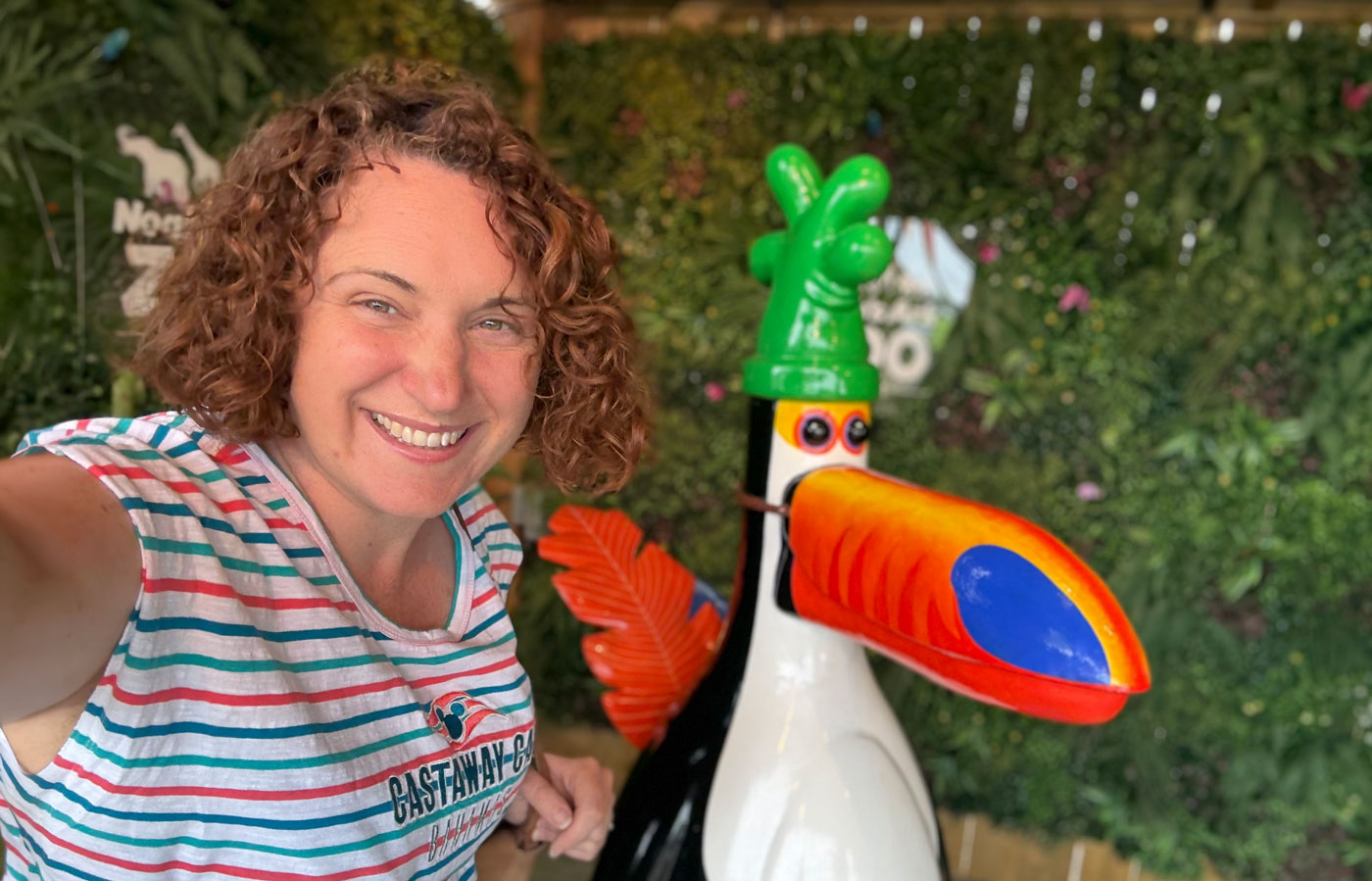
Behind every decision that shapes our work is a group of trustees who give their time, experience and judgement to guide North Bristol & South Glos Foodbank. They help make sure we stay focused on our mission, use our resources responsibly, and keep asking the hard questions about how we support people facing hunger locally. In this series, we’re introducing you to the people behind that role. Each trustee brings their own story, perspective and reasons for getting involved, but they share the same commitment: that nobody in our community should have to face hunger alone.
In this first post in the series, we meet Suzanne, a community development leader whose career has taken her from national higher education policy to smart city innovation and the grassroots work of building thriving neighbourhoods in North Bristol and South Gloucestershire.
Q: What made you say yes to becoming a trustee?
A: I think if any of us saw someone trip over in front of us, everyone would stop and help pick them up and see if they were alright. That’s what the food bank does. It picks people up when they are at a low, dusts them off and helps them get back on their feet.
It is about being a good neighbour and a good human, and I love being part of the team that makes that happen in my community.
Q: What do you wish more people understood about why someone might need a food bank?
A: Sometimes people talk about food bank users, or the poor, as if they are different from everyone else, when in reality any of us could be brought low. It could be losing our job and not getting another one (how many months could you manage without a salary?); having to flee a country due to war; or our housing, food and energy costs going up at a greater rate than our income.
Food bank users are people like us who have experienced difficult circumstances. And wouldn’t you want some dignified help if you found yourself in that position? I know I would.
I think it surprises people when I tell them how many food bank users are in work, but rent hikes or energy bills have tipped them into financial crisis where they can no longer afford food.
Sometimes in the media there can be a critical view of people in poverty, the notion of the undeserving poor, which I think is absolute rubbish. Over a third of food bank users are children. I don’t think any child deserves to be hungry.
Q: What does a trustee do here, in plain English?
A: A trustee of any charity has two main jobs: make sure that the charity is doing what it has set out to do, and make sure it is using its resources responsibly to achieve that goal.
At North Bristol and South Glos foodbank that means asking questions about how we support people in poverty in North Bristol and South Gloucestershire through working with partners and providing food, advice and support. It also means looking at the accounts and policies to check they are fit for purpose.
We advise the staff team, usually by asking questions that help them think things through. We’re like a critical friend, with a helicopter view. Together with the staff team, volunteers and users, we ask: do we have the right strategy, and are we following that strategy?
As someone who has worked in both the Bristol and South Gloucestershire charity sector, a key role for me is sharing expertise about partner organisations.
Q: What would you say to someone thinking about volunteering, but not sure they’d fit in?
A: I’m a huge fan of volunteering. Generally you go into it thinking you are going to help someone else, and in the end the person most helped is you.
Through my volunteering I’ve made great new friends and learnt skills that have helped with my employment. I feel valued when I can share my skills to benefit others, and it’s great feeling part of something bigger than me, being a positive force for good in the world.
The food bank, by its nature, is an organisation that meets people wherever they are, and everyone can contribute something. That might be a corporate day helping out in the warehouse, helping with a collection at a supermarket, a longer-term volunteer role at an outlet or as a driver, or even just putting some long life milk in your basket when you are shopping and dropping it into the food bank collection point on your way out of the supermarket.
There are opportunities big and small for everyone to contribute, depending on your capacity at any given time. And I am tremendously grateful to all the people who give so much of their time. I think it is over 200 regular volunteers, and probably ten times that as one-off volunteers.
We’re walking alongside people at a real low point and helping them get back on their feet, transforming lives through our collective effort, big and small. It really is a joy and privilege to be part of.
Q: We provide emergency food, but we also want to reduce the need for food banks. What does that look like to you?
A: For me it is about being good neighbours and being in community.
Too often people are forced into isolation through busy lives, technology, work, or moving to a new area. We don’t see when our friends and neighbours are struggling, and we aren’t there to pick them up. They don’t see when we are struggling either. Often shame keeps us silent and stops us reaching out.
I love when food banks can also have coffee mornings and link people into community. They are often signposting people to specialist advice like finance or housing, or employment support.
They also meet the deep need we all have for relationship with other people. To know you are not alone is a tremendous gift when you are struggling.
The end of food banks looks like strong community connections and places where people who are lonely and isolated can get help and find people who are happy to walk alongside them, so they know they are not alone.
Q: When supporters read this, what do you hope stays with them?
A: I’d like people to recognise that food bank users are not different to them. If they are moved by this, I invite them to participate in whatever way they can manage, so they too can be part of this amazing team.

0 Comments